
acid etch tempered glass
Understanding Snap-on Gauges Precision Measurement in Engineering In the world of engineering and manufacturing, precision is not just preferable; it is essential. The smallest discrepancy in measurement can result in significant variances during production, affecting the quality and performance of the final product. This is where snap-on gauges come into play. Renowned for their reliability and accuracy, snap-on gauges are an integral part of the quality control process across various industries. What are Snap-on Gauges? A snap-on gauge, often referred to as a snap gauge, is a type of measuring device used to determine whether a particular object meets certain dimensional specifications. These gauges are designed to 'snap' onto the workpiece, providing a rapid and straightforward way to measure external dimensions. Unlike calipers or micrometers that require manual reading, snap-on gauges allow for quicker, often one-handed measurements, thus streamlining the inspection process. Types of Snap-on Gauges There are generally two types of snap-on gauges fixed and adjustable. Fixed snap gauges are typically set at a specific dimension, making them ideal for production lines where parts are manufactured to standard specifications. On the other hand, adjustable snap gauges allow engineers to modify the gauge to measure different dimensions, providing flexibility for various applications. Construction and Material Snap-on gauges are usually made from high-quality steel, which ensures durability and resistance to wear and tear. The precision cutting and finishing processes involved in their production help maintain their accuracy over time. Many modern snap-on gauges also feature coatings, such as chrome plating, to reduce friction and enhance lifespan. Applications of Snap-on Gauges snap on gauge Snap-on gauges have a variety of applications across multiple industries. In automotive manufacturing, they are used to check the dimensions of engine parts, chassis components, and other critical elements. In aerospace, snap gauges ensure that parts meet strict regulations regarding tolerance and dimensions, thus promoting safety and reliability. Moreover, snap-on gauges are also commonly used in the production of electronics, machinery, and medical devices. Any field that demands high precision can benefit from the use of these gauges. Their ability to provide a quick yes/no answer on whether a part meets specifications makes them particularly valuable in high-volume production settings. Benefits of Snap-on Gauges The primary benefit of using snap-on gauges is the significant reduction in time spent on inspection processes. They allow for quick verification of parts, which is especially important in environments where time is money. Additionally, snap gauges help in minimizing human error, as they provide a clear indication of whether a part fits the required dimensions. Another advantage is that snap-on gauges are easy to use, requiring minimal training for operators. This accessibility ensures that manufacturers can maintain high standards of quality control without necessitating extensive technical knowledge. Maintenance and Calibration To ensure continued accuracy, snap-on gauges require regular maintenance and calibration. Operators should routinely check for any wear or damage, as well as perform calibration against certified standards. Proper care will not only extend the life of the gauge but also maintain measurement accuracy, which is critical for product quality. Conclusion In summary, snap-on gauges are invaluable tools in engineering and manufacturing fields that prioritize precision and efficiency. Their ease of use, rapid measurement capabilities, and versatility make them essential for quality control processes in a wide range of applications. By investing in high-quality snap-on gauges and adhering to maintenance and calibration standards, manufacturers can uphold the integrity of their production processes, ultimately leading to higher quality products and customer satisfaction. As technology continues to evolve, snap-on gauges will remain a staple in the quest for accuracy in measurement, paving the way for advancements in engineering and manufacturing standards.
about
acid etch tempered glass
The Storaen Slow Closing Check Valve represents a significant advancement in hydraulic system technology, designed to enhance operational efficiency and safety. This article explores the product's features, advantages, technical specifications, application scenarios, and the company background of Storaen (Cangzhou) International Trading Co. Core Features of the Storaen Slow Closing Check Valve The Storaen Slow Closing Check Valve is engineered with a novel structure that ensures optimal performance in diverse hydraulic environments. Key features include: Superior Sealing Effect: The valve's design minimizes leakage, ensuring reliable operation even under high-pressure conditions. Low Resistance: Its streamlined internal geometry reduces flow resistance, allowing for efficient fluid movement. Large Flow Capacity: The valve supports high flow rates without compromising on performance, making it suitable for industrial applications. Extended Service Life: Constructed from durable materials, the valve is built to withstand wear and tear, reducing maintenance needs. Adjustable Operation: Users can fine-tune the valve's opening and closing speed to match specific site requirements, enhancing system adaptability. Advantages Over Traditional Check Valves Compared to conventional check valves, the Storaen model offers distinct advantages that address common challenges in hydraulic systems: Water Hammer Mitigation: The valve's slow-closing mechanism effectively reduces the impact of water hammer, a phenomenon that can cause pipe damage and system failure. Customizable Settings: Operators can adjust the valve's response time to optimize performance for varying flow rates and pressures. Enhanced Safety: The valve's design prevents backflow, ensuring the integrity of the system and protecting downstream equipment. Cost-Effective: By minimizing maintenance and downtime, the valve contributes to long-term operational savings. Technical Specifications Table Feature Description Model 300X Slow-Closing Muffler Check Valve Material Stainless Steel (Body), Rubber Seals Pressure Rating 10-150 psi Flow Rate Up to 1,000 GPM Operating Temperature -20°C to 80°C Connection Type Flanged or Threaded Adjustable Closing Time 0.5-5 seconds Application Scenarios The Storaen Slow Closing Check Valve is ideal for a wide range of applications, including: Water Treatment Plants: Ensuring consistent flow and preventing backflow in filtration and distribution systems. Industrial Piping Systems: Protecting equipment from pressure surges and maintaining system stability. HVAC Systems: Regulating fluid flow in heating and cooling systems to improve efficiency. Oil and Gas Industry: Controlling fluid dynamics in pipelines to prevent damage from sudden pressure changes. Power Generation: Safeguarding turbines and pumps from water hammer effects in hydraulic systems. Company Background: Storaen (Cangzhou) International Trading Co. Storaen (Cangzhou) International Trading Co. is a leading supplier of industrial valves and hydraulic components, with a strong reputation for quality and innovation. The company specializes in hydraulic check valve types and offers solutions tailored to the needs of global clients. With a focus on research and development, Storaen ensures that its products meet the highest standards of performance and reliability. Storaen's commitment to excellence is reflected in its rigorous testing processes and adherence to international standards. The company's products are used in various industries, including manufacturing, energy, and infrastructure, demonstrating their versatility and effectiveness. Industry Standards and Authoritative Citations The design and functionality of the Storaen Slow Closing Check Valve align with industry standards for hydraulic systems. According to the National Institute of Standards and Technology (NIST) , "Precise control of fluid dynamics is critical for the safety and efficiency of hydraulic systems, as outlined in the NIST Handbook on Fluid Mechanics (2022)." This emphasizes the importance of advanced valve technology in modern engineering. Furthermore, NIST's research on standards and measurements highlights the role of valves in maintaining system integrity. As noted in a 2023 NIST publication, "The integration of adjustable and slow-closing mechanisms in check valves significantly reduces the risk of catastrophic failures in fluid systems." These authoritative references underscore the relevance of Storaen's innovations in the context of broader industry practices and regulatory requirements. Conclusion The Storaen Slow Closing Check Valve exemplifies cutting-edge engineering in hydraulic systems, offering a combination of durability, efficiency, and adaptability. Its advanced features address critical challenges in fluid dynamics, making it an essential component for industries reliant on precise and reliable hydraulic control. By leveraging the expertise of Storaen (Cangzhou) International Trading Co., users can ensure optimal performance and longevity in their operations. References NIST Handbook on Fluid Mechanics (2022). https://www.nist.gov/ NIST Publication on Hydraulic System Standards (2023). https://www.nist.gov/standards-and-measurements
-

High quality industrial productsagement

High quality industrial products
View Details -

Meet the diverse needs of customers

Meet the diverse needs of customers
View Details -

Strict quality control

Strict quality control
View Details -

Top raw materials

Top raw materials
View Details -

Trusted supplier

Trusted supplier
View Details
Our application

news and information
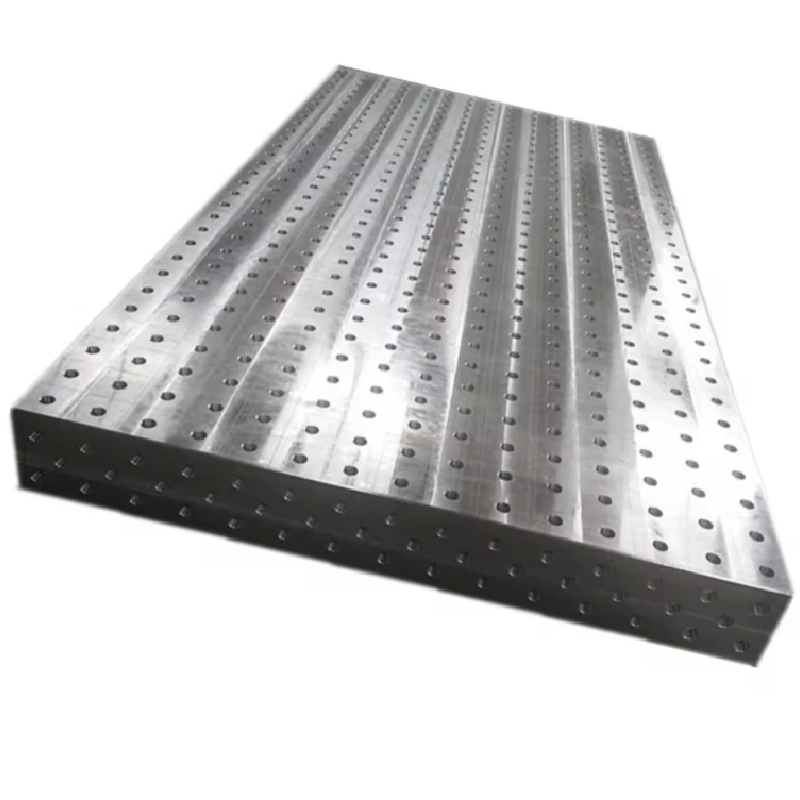
Versatile Thread Gauge for Precision Measurement and Adjustability in Mechanical Applications
Understanding Adjustable Thread Gauges A Tool for Precision Measurement In the world of engineering
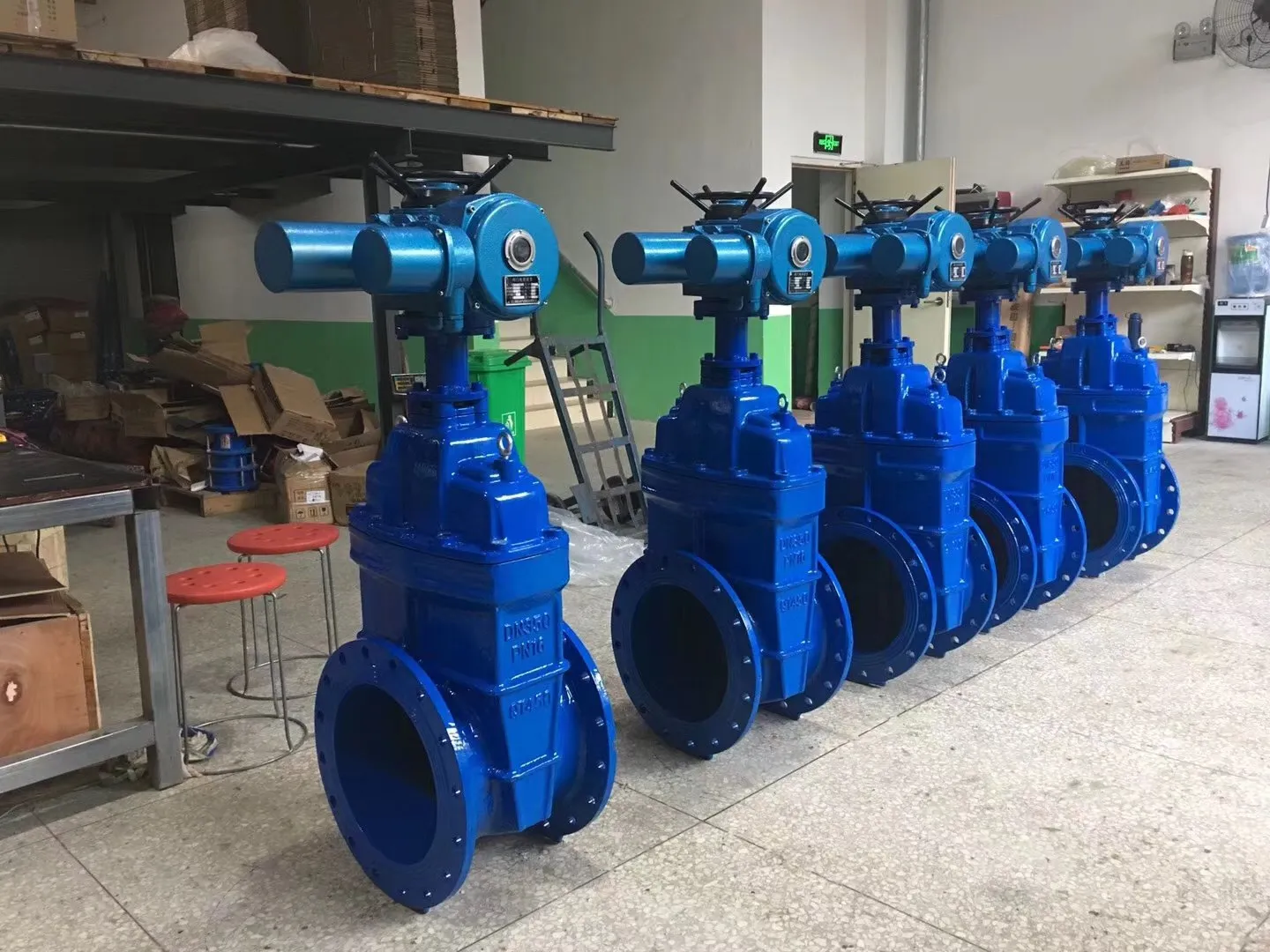
Válvula globo de 3 polegadas
A válvula de globo de 3 polegadas é um componente essencial em sistemas de tubulação, especialmente

Using Ring Gauges for Accurate Measurement and Quality Control in Manufacturing
The Importance of Ring Gauges in Quality Control In the realm of manufacturing and quality control,
 English